Ways of Nachleben
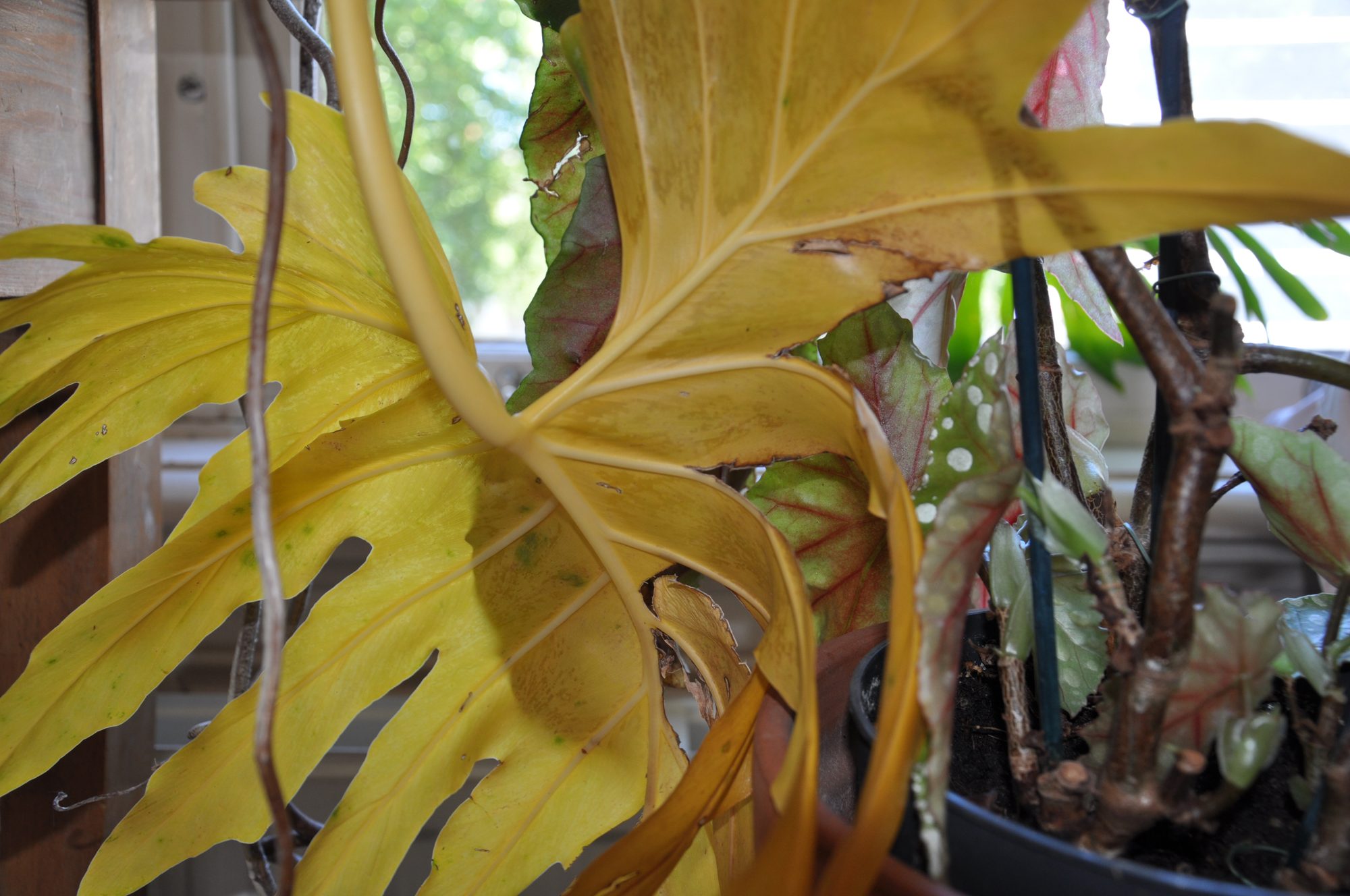
How to leave traces? Leaves change places, color in the fall. They fall slowly on the forest floor. One is a form, two a couple, three a group, five a constellation, and after 28 leaves they form a film, a carpet, a blanket. Rain and feet press them flat until someone picks them up or kicks them loose; most of them stay on the ground. Go underground. Layer after layer they fall, turning organisms into earth or shape into decor — installed. In spring, leaves leave their buds and beds; green, shaped, taut, and full of energy. Orchid, cilantro, chestnut, mango tree. Collected, they can be fugitive ghosts at windows or pressed archives in books and boxes. Afterlife is the way they hover in a frame. Survival is the way they are buried in stratification. Ways of Nachleben link, frame, and stratify.
Cultural, cognitive, and communal processes
Afterlife imagines living after life (represented by hovering ghosts), while survival preserves life after living (grounded by layering archives). Nachleben is a German term that can be translated to both afterlife and survival. It can simultaneously be two sides of the same coin: it preserves the picture or portrait of a person on one side, but it values and mythologizes that person on the other (often with a number). Nachleben represents both imagination and preservation of what is no longer present. However, it can only be animated and used for communal exchange by turning and switching its sides, creating a third, social meaning and an active image in between the two, making the invisible visible. Pictures in the sky are in constellations; starlights are ghosts of stars. Pictures in the underground are contexts, records are archives of texts. Space ghosted in time, and time archived in space. By mapping cultural, cognitive, and communal processes, Nachleben describes various ways to translate, transcribe, transgress, transform, transfer, and transpose.
Nachleben is one of the crucial terms and concepts for the German art historian Aby Warburg (born June 13, 1866 Hamburg). He considered Nachleben not necessarily as a linear process, but rather as a psycho-topological layer — a complex field of activation involving memory and forgetting—and thus also a (the) decisive principle of his famous Mnemosyne Atlas (M.A)—even though he repeatedly used different terms. On the one hand, he referred to words like “revival,” “renaissance,” and “return”; on the other hand words like “evocation,” “resonance, or “animation.” He was interested in many aspects of Nachleben, including its peculiarities and flaws, but especially in its function as a carrier1, either like Mnemosyne or like Atlas. Both Mnemmosyne and Atlas carry but move differently in between ascending, descending vertical and striding, stepping horizontal. Moreover, for Warburg, afterlife/survival2 was not only the process and metamorphosis between images, it was also between artists and text, text and festival, procession and politics, politics and image, image and space, time and trade, trade and ruler, patron and artist.
Happy 100th Birthday: KBW and Mnemosyne.Atlas.
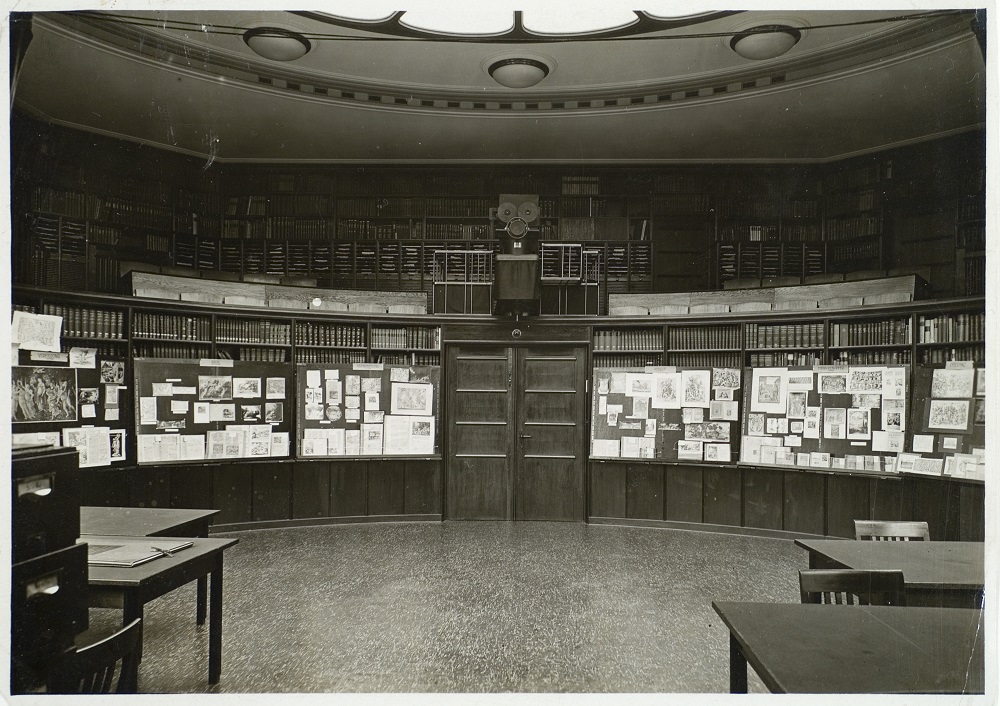
In May 1926, the Kulturwissenschaftliche Bibliothek Warburg (KBW)—Library of Aby Warburg—was opened in Hamburg. On May 1, German philosopher Ernst Cassirer delivered the opening speech; on May 23, the keys were handed over to Aby Warburg; and on May 29, he gave a lecture titled “Italian Antiquity in Rembrandt’s Age.” This was a month of special significance for him, as the KBW embodied and contained much of what Warburg grew increasingly famous for over the preceding 30 years. At the time of its inauguration, the KBW housed 44,000 books that Warburg had collected over the years in pursuit of his interests and research. However, rather than being arranged in a traditional manner, they followed an extremely specific classification system. Firstly, each of the building’s four floors housed books classified under one of four keywords: Orientation (religion, magic and science, philosophy), Image (history of art), Word (language, literature and the transmission of texts), or Action (cultural and political history); and secondly, they were organized through “the law of the good neighbour,” meaning that the books of the KBW were re-shelved by the interests of its members and users, allowing those who followed to find coincidentally kindred books grouped in intellectual islands. The KBW was a social-intellectual organism comparable with the Bauhaus; a place of (interdisciplinary) collaboration and (productive) encounter with its beating heart, the reading and lecture hall where the panels of the Mnemosyne Atlas were developed, where guests gathered, a room symbolically built in the shape of an ellipse.
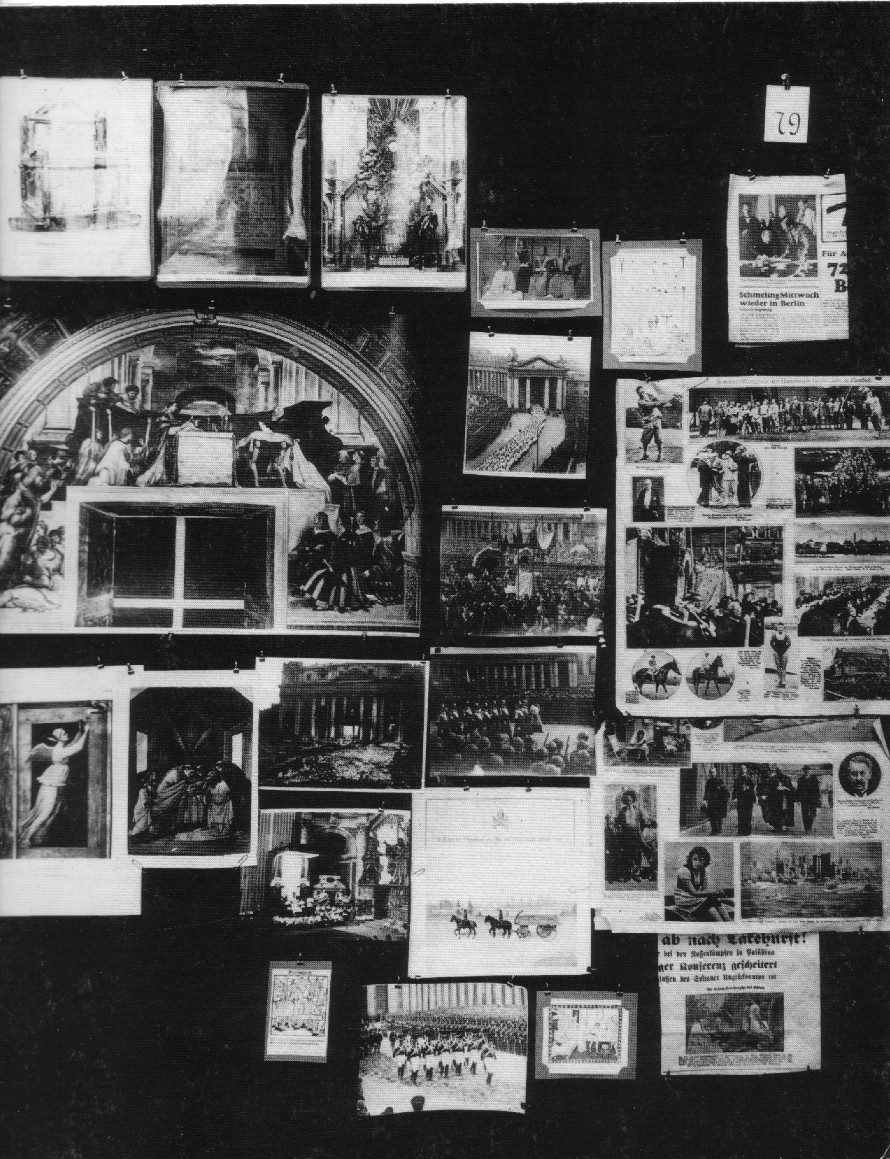
The 63 (plus 10 unnumbered) M.A. panels we know—documented in October 1929 as black-and-white A4 photographs of wooden panels covered with black fabric, measuring approximately 170 by 140 cm, on which various pictorial material (prints, maps, photographs, original books) were mounted or arranged. Together with his wife Mary Warburg, his closest colleagues, assistants, and the later directors of the institution—Gertrude Bing and Fritz Saxl—and other researchers, Aby Warburg developed the M.A.’s methodology and layout between 1926 and 1929, until his death in October 1929. Even in his earlier lectures and writings, Warburg employed unconventional methods to place pictures in relation to one another, to history, and to text. But it was only through the formalization with these black panels that it became a peculiar method. In some of his first lectures in the new building, such as “Urworte leidenschaftlicher Gebärdensprache” (Ur-Words of the Affective Language of Gestures, 1927), the panels were installed horizontally. Only when he planned the atlas as a folio volume did they become oversized book pages, oriented vertically. The goal was to produce two distinct volumes—one illustrated, one with text—that would discuss the afterlife/survival of antiquity in a complex, transdisciplinary, and multi-perspective narrative encompassing Warburg’s entire body of work. He examined archives, the circulation of images, commercial registers, everyday objects, festivals, family trees, astrology, archaeology, religious studies, and many other fields that did not fall within the discipline of art history at the time. Through this transdisciplinary research approach, he laid the foundations for the field of cultural studies and fundamentally transformed art history.
A useful archive and functional ghost stories
Since 1933, the photographs of the panels have been archived in the Warburg Institute in London. Both the Warburg Institute and the Warburg Haus in Hamburg have served as gatekeepers of his posthumous legacy ever since. It was not until the late 1980s that the spectre of the panels began to haunt discussions of the image-constellations once again, thanks to Dorothée Bauerle’s book Gespenstergeschichten für Ganz Erwachsene3, the first extensive comment on the M.A. In the 1990s, the Vienna-based group Daedalus exhibited the panels to a broad public for the first time, and since the early 2000s, the website Engramma.it has been an important resource for anyone interested in working with the M.A. independently.
As I have always been interested in the image itself and its relationships, I felt particularly lucky when I discovered Aby Warburg’s Mnemosyne Atlas in 2009. From 2011 to 2016 in Hamburg, I organized the research group Forschungsgruppe Mnemosyne, with a few artists, curators and art historians to analyze, decipher, and review the entire Atlas and to explore and present it as a collective instrument. Since 2017, I have co-organised Mnemosyne Studygroup in Zürich as well as another group with students at the HEAD art school in Geneva. In these groups, the focus has shifted from analysing and commenting to experimentation, critique and expansion. We wanted to know how we—art workers, students and educators—could use the M.A. and how it could be relevant to us: where and what are its limits?
Two of the most insightful discoveries I made during my early years working on the M.A. were undoubtedly the versatility of the picture-panels’ multiple uses and their precision as (visual) instruments in an argumentative framework. This is possible through the dynamics and processes between the attached pictures and the transferability of the panels’ functions from one purpose (motif, medium) to another. Aby Warburg used them at the same time as tools, measuring devices, and musical instruments for drafts, lectures, seminars, exhibitions, workshops, texts, books and presentations; as well as in conversations with friends, students and colleagues.
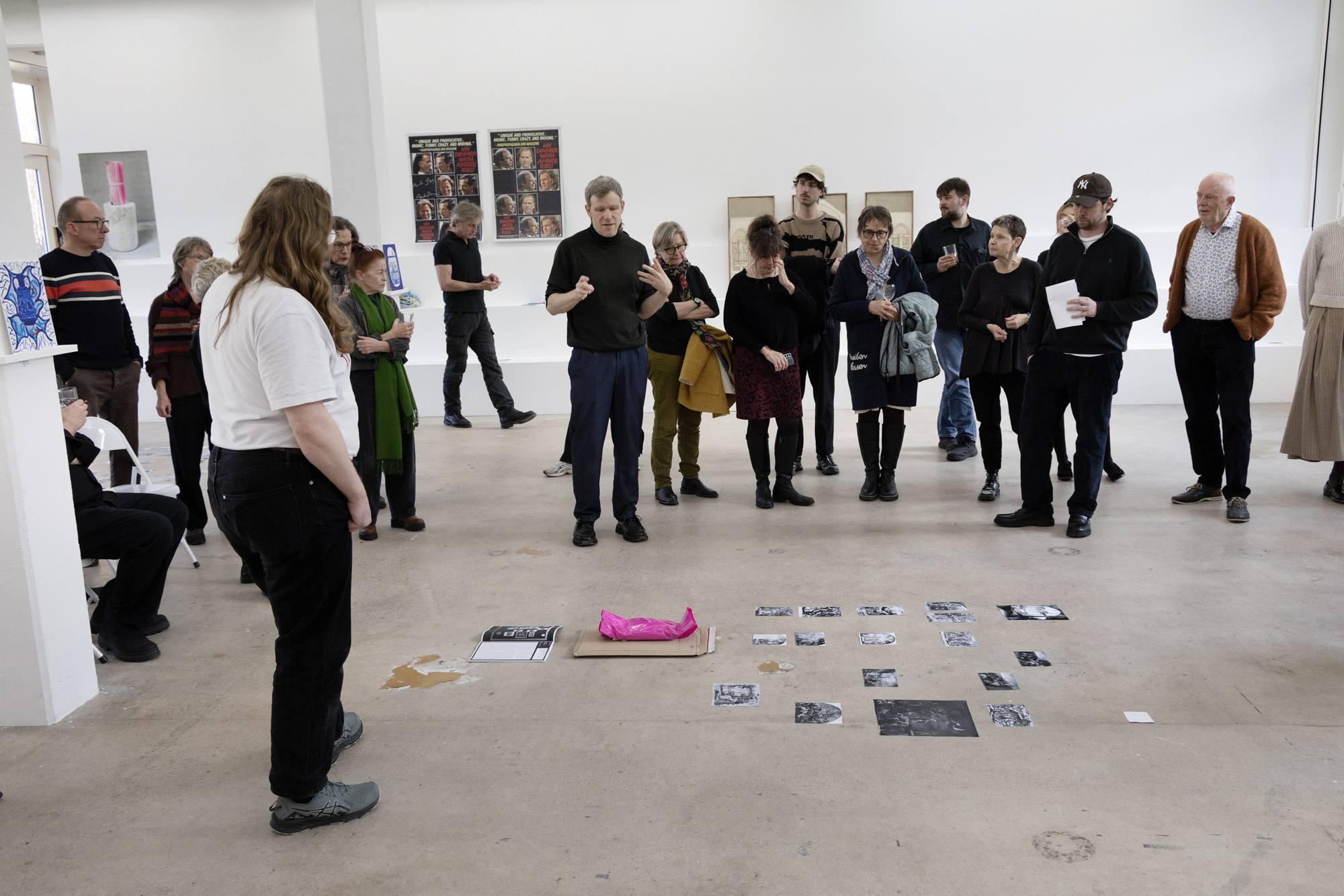
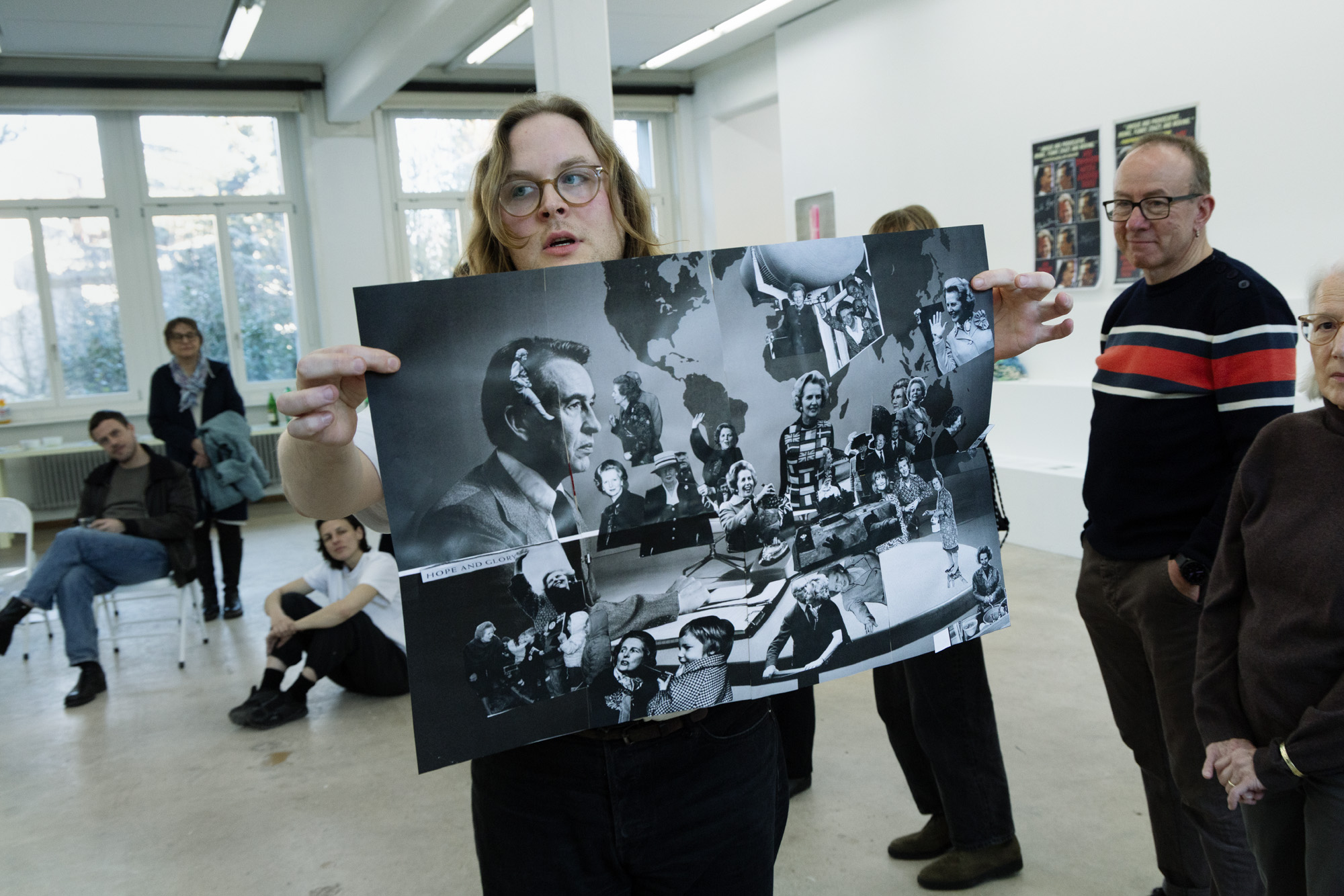
Since 2020, I have organised M.A.Läb, a community and forum to discuss image constellations and the M.A. I have facilitated workshops at several institutions and invited around 34 artists to conceptualise and present their own panels, enabling them to develop their own image-narratives and -mechanisms. I called those panels Image-Constellation-Panels (I-C-P). They are tools to discuss images, the relationships between them, and their frameworks within a defined group, time, and space (panels). Each artist and each topic demanded distinct communication strategies, activation patterns, and story lines. Making the panel is a curatorial process and provides a non-verbal language applied in exhibition designs, transdisciplinary gatherings, visualisation of complex problems and group-reflections on common grounds/themes.Therefore, and in light of the potential contemporary uses of the M.A. and I-C-Ps, my two main observations from recent years are that we can indeed use M.A. and I-C-Ps as artistic tools, and that the reason for using these tools shapes and defines their structure, reading and coding (differently).
Market, Memory, Melancholy
In the future, Image-Constellation-Panels could serve social functions in Iconomies, acting as communicative-instruments for communities sharing souvenirs and purpose-specific applications in different emotional situations, where they conduct complex analyses of our time, influences, and contexts, as well as critiques of art, science, politics, and society. While playing a crucial role in the history of the contextualisation of art, Warburg described the contents of the Mnemosyne Atlas as ‘ghost stories for adults’, conjuring up the environment of the spectral, the dead, and the unseen. Although he primarily examined the afterlife/survival of antiquity as a central concept and motif, it is the impact of the past on the now—brought back to life and image circulation by art—and the how of travelling the Ways of Nachleben — the streets, vehicles, and landscapes imagined by artists—that keep the Mnemosyne Atlas relevant today.
- Carrying is a central gesture and motif in the Mnemosyne Atlas. It operates on both an immaterial and a physical level: carrying knowledge, responsibility, or memory, but also the embodied act of carrying a basket, a globe, or a child. Mnemosyne carries memory through the arts and the muses, while Atlas bears the weight of the globe. Nachleben can also be understood as a form of carrying: something must be carried out of the archive in order to survive, just as a ghost carries history into an afterlife. More than a fixed image or object, Nachleben is perhaps closest to the very process of carrying itself — the transmission, persistence, and movement of forms across time.
↩︎ - In his book on Aby Warburg entitled “L’Image survivante,” Georges Didi-Huberman chose the side of “survival”. L’Image survivante (Histoire de l’art et temps des fantômes selon Aby Warburg), Collection Paradoxe, Paris, 2002
↩︎ - Dorothee Bauerle, Gespenstergeschichten für ganz Erwachsene, [Ghost stories for adults], Lit Verlag, Münster Germany, 1988.
↩︎